Explore PREM News and Highlights
News · Nov 20, 2017
Select Presentations from 2017 MIP Grantees Meeting
Select Presentations from the MIP Grantees meeting that are of interest to the PREM community, are available.

News · Nov 7, 2017
PREM Webinar Scheduled Nov 17 at 2 PM
Join us for the Partnership for Research and Education in Materials Webinar in preparation for the 2018 PREM solicitation.
News · Oct 5, 2017
Hampton University
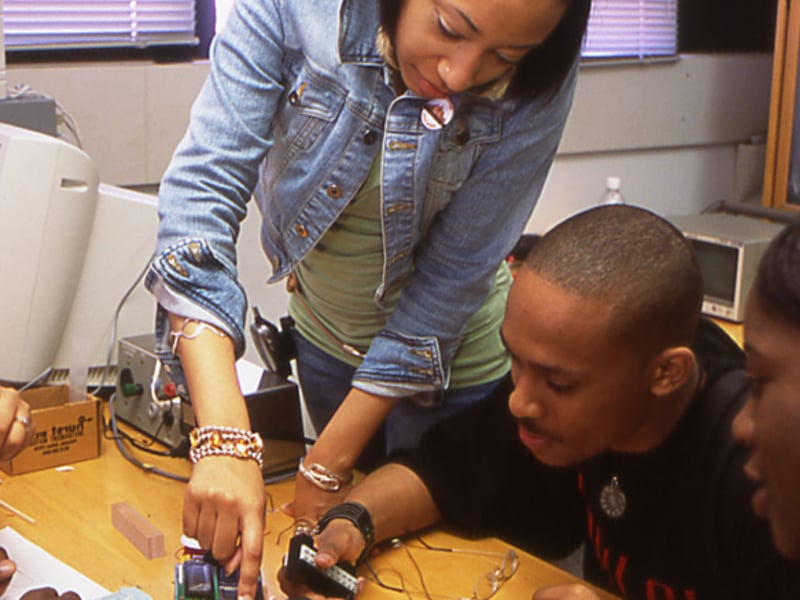
Hampton University to Host PREM Research Symposium
On October 6, Hampton University will host a PREM Research Symposium at the University's Student Center Cyber and Student Lounge. This year's event will include a keynote speech by Demetris Geddis, Assistant Dean of the School of Engineering and Technology.
News · Sep 25, 2017
PREM Program Accepting Proposals
The National Science Foundation is now accepting proposals for its revised PREM program. Proposals must be submitted by a minority-serving college or university by January 29, 2018.
News · Sep 21, 2017
New Mexico Highlands University
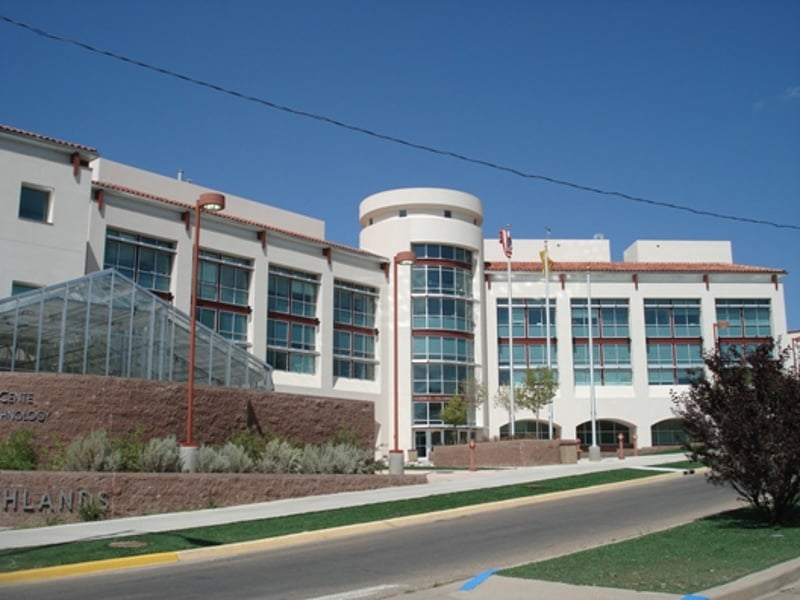
Postdoc Positions Available at New Mexico Highlands University PREM
An NSF-supported PREM project at New Mexico Highlands University (Las Vegas, NM 87701) is currently looking to fill two postdoc positions.
News · Aug 29, 2017
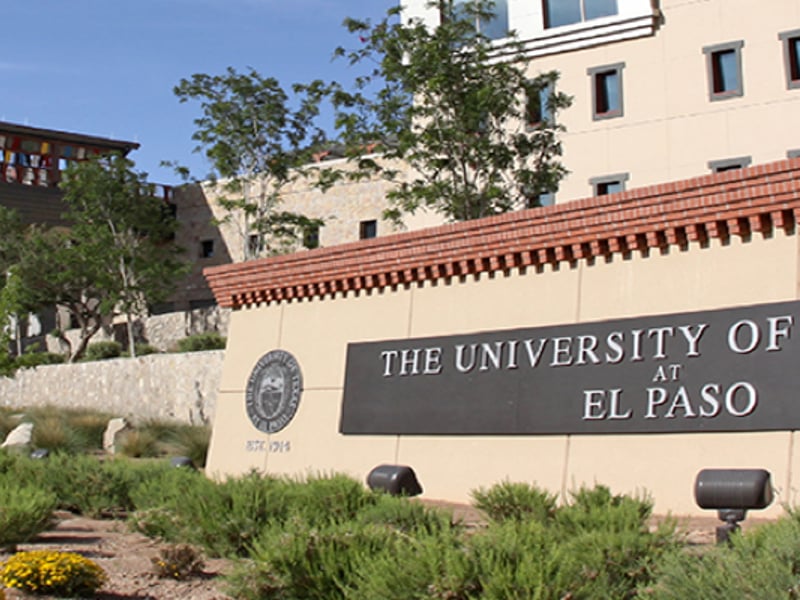
The University of Texas at El Paso
Recognizing Excellence in the Scientific Community
Last year, the PREM program at the University of Texas, El Paso received a Creativity Award — a unique and competitive research award that focuses on using scientific research as a vehicle to provide multi-level education opportunities to students from underrepresented groups in STEM disciplines.

News · Aug 29, 2017
University of Puerto Rico at Humacao - University of Pennsylvania MRSEC (2004)
PREM Students Present Research at International Science Fair
Earlier this year, three PREM students represented Puerto Rico at the Intel International Science and Engineering Fair (ISEF) — the world’s largest international pre-college science competition — in Los Angeles, CA.
Highlight · Aug 21, 2017
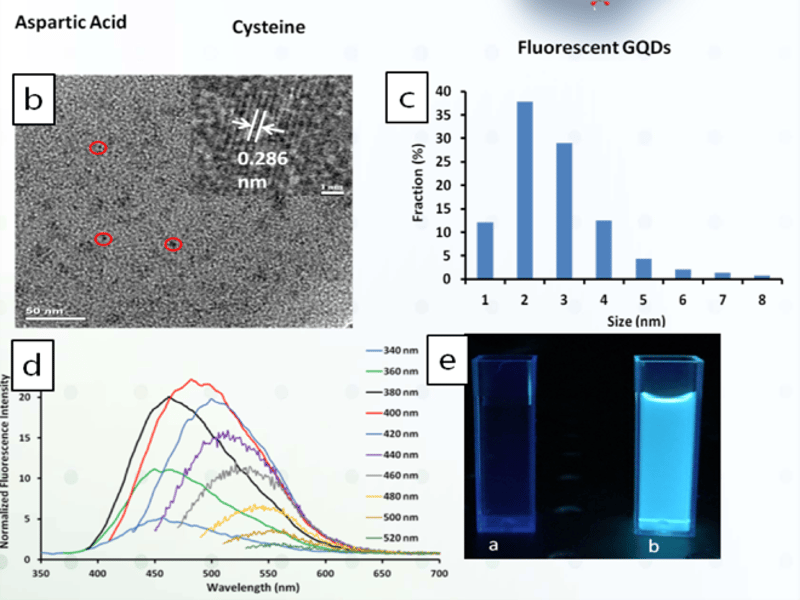
One-Step Synthesis of Fluorescent Graphene Quantum Dots Through Pyrolysis of Amino Acids
Jiao Chen, New Mexico Highlands University
Outcome: We have developed a novel method for the synthesis of graphene quantum dots (GQDs) by using two amino acids, which are non-toxic natural materials containing nitrogen groups for easy surface modification. The synthesis process was easy, efficient and no toxic chemicals were involv
Highlight · Aug 21, 2017
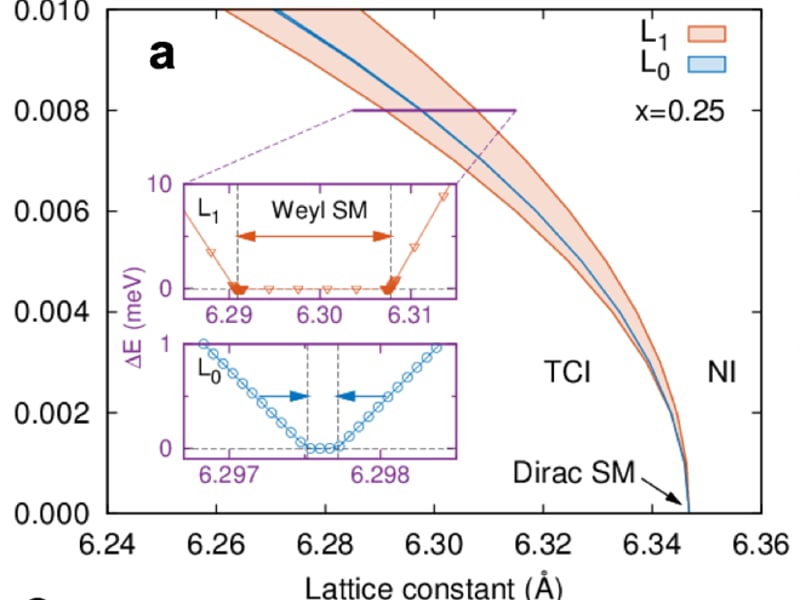
A Pressure-Induced Emergence of a Weyl Semimetal Phase in Pb1-xSnxTe
J. Kim & N. Kioussis (California State University Northridge), DMR-1205734(PREM) T. Liang & Nai Phuan Ong (Princeton University)
Outcome: In collaboration with experimental studies at Princeton University we have carried out ab initio calculations to examine the effect of pressure on the topological phase diagram of Pb1-xSnxTe. The calculations reveal that the ferroelectric polarization, which breaks crystal inversi
Highlight · Aug 21, 2017
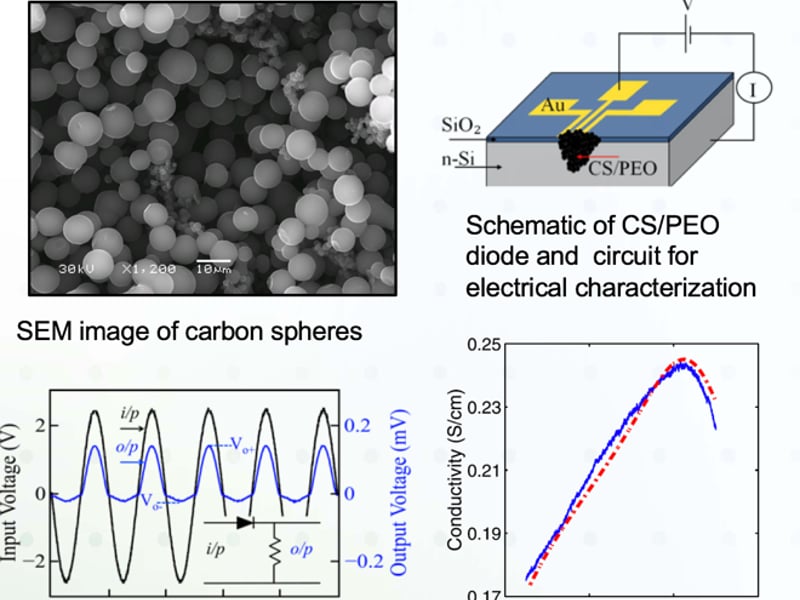
Polymer/Carbon Spheres Composites for Device Applications
Idalia Ramos, University of Puerto Rico at Humacao
Intellectual Merit: Carbon-based materials have attracted scientific interest due to their promise to revolutionize the electronics industry. Carbon Spheres (CS) were produced via hydrothermal carbonization of sucrose. A Schottky diode was fabricated using a composite of the highly conduct
Showing 121 to 130 of 260